
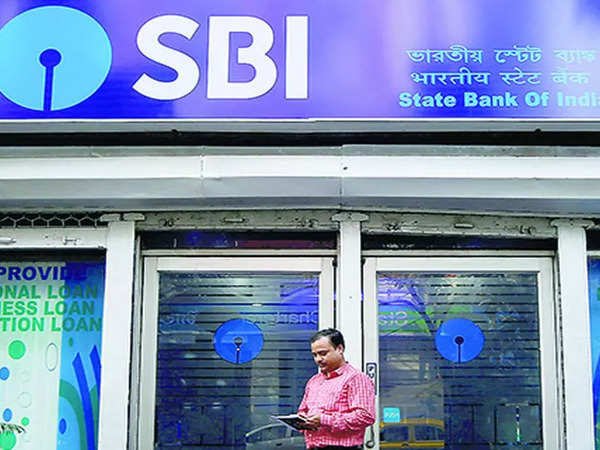
State Bank of India (SBI), the country’s largest lender, recently received a staggering $3.5 billion in bids for its bond issuance. However, the bank decided to retain only $600 million of the total bids.
The bond issuance by SBI was met with significant interest from investors, indicating a strong demand for the bank’s debt. The overwhelming response reflects the confidence investors have in SBI’s financial stability and creditworthiness.
SBI’s decision to retain only a portion of the bids is a strategic move to manage its funding requirements effectively. By selectively accepting bids, the bank can ensure that it meets its capital needs while maintaining a balanced portfolio.
The successful bond issuance by SBI is a positive sign for the Indian banking sector, which has been grappling with various challenges in recent years. It demonstrates that investors are willing to invest in the debt instruments of well-established banks, despite the uncertainties in the market.
With the retained amount of $600 million, SBI can strengthen its capital base and support its lending activities. The funds raised through the bond issuance will enable the bank to expand its lending portfolio and provide much-needed credit to various sectors of the economy.
This development also highlights the growing interest in Indian bonds from international investors. SBI’s bond issuance attracted bids from both domestic and foreign investors, indicating the attractiveness of Indian debt instruments in the global market.
The strong response to SBI’s bond issuance can be attributed to several factors. Firstly, SBI enjoys a strong reputation and is considered a reliable institution in the Indian banking industry. Its robust financial performance and prudent risk management practices have earned the trust of investors.
Secondly, the current low-interest-rate environment has made fixed-income investments more appealing to investors. With interest rates at historic lows, investors are seeking alternative avenues to generate stable returns. Indian bonds, with their relatively higher yields, provide an attractive investment option for both domestic and international investors.
Lastly, the Indian government’s efforts to improve the ease of doing business and attract foreign investments have boosted investor confidence in the country’s economic prospects. As the Indian economy continues to recover from the impact of the COVID-19 pandemic, investors are optimistic about the growth potential of Indian companies and banks.
The success of SBI’s bond issuance sets a positive precedent for other banks and financial institutions in India. It demonstrates that there is a strong appetite for quality debt instruments in the market, which can help banks raise funds for their operations and support economic growth.
In conclusion, SBI’s recent bond issuance received an overwhelming response, with $3.5 billion in bids. The bank decided to retain $600 million, strategically managing its funding requirements. This success reflects the confidence investors have in SBI’s financial stability and the attractiveness of Indian bonds in the global market. The funds raised will strengthen SBI’s capital base and support its lending activities, contributing to the growth of the Indian economy.
